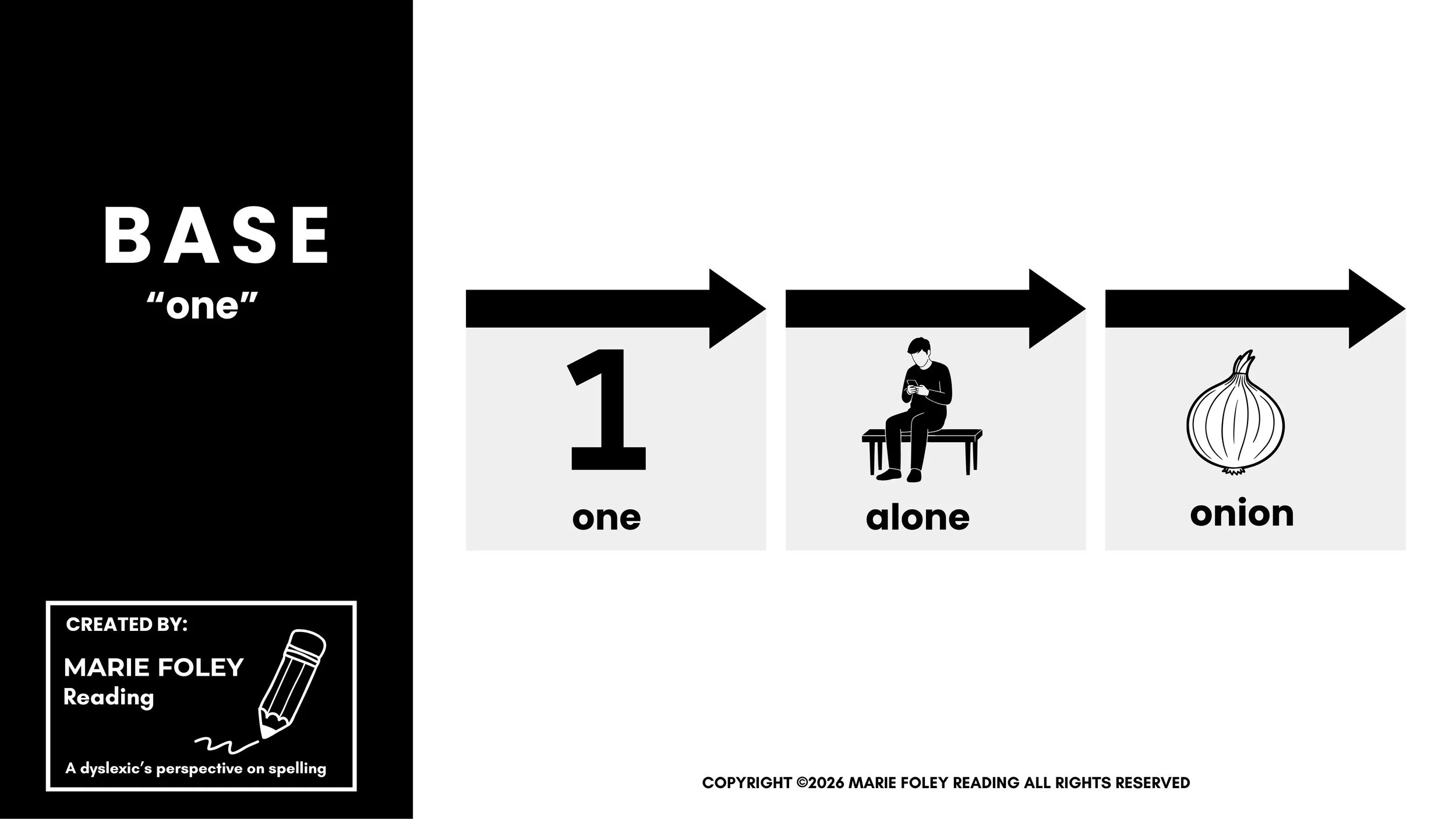
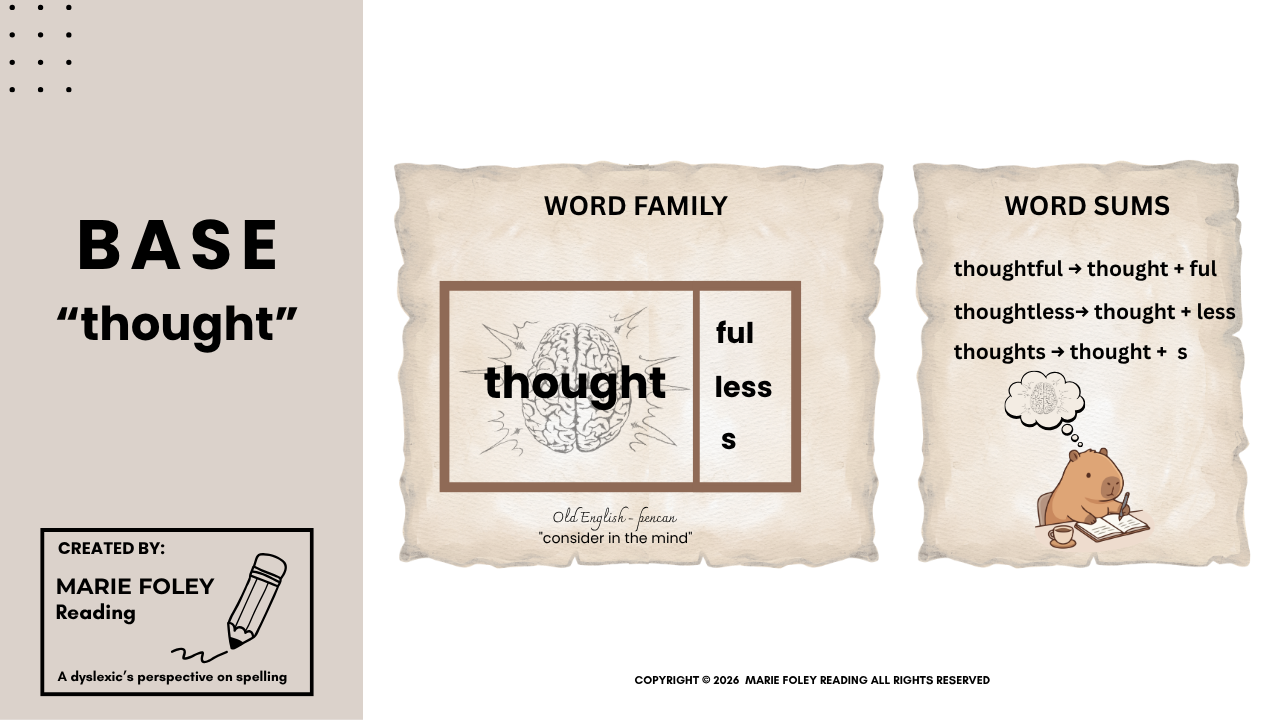
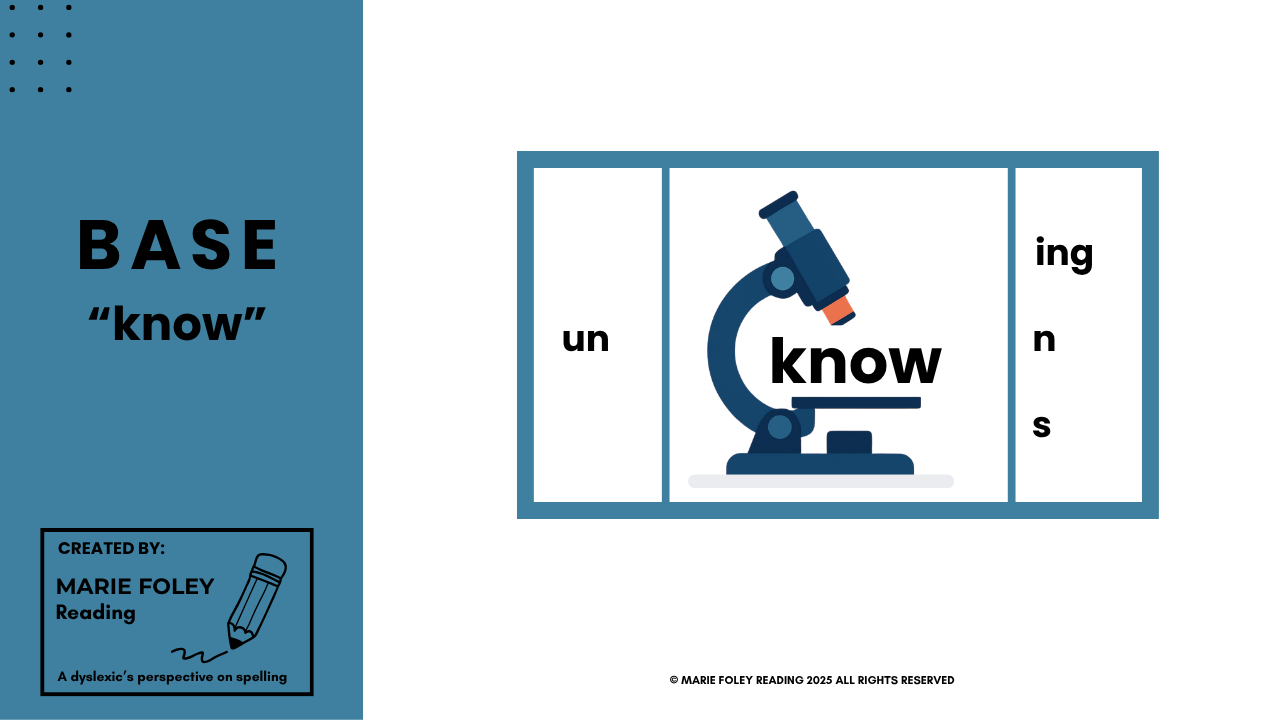
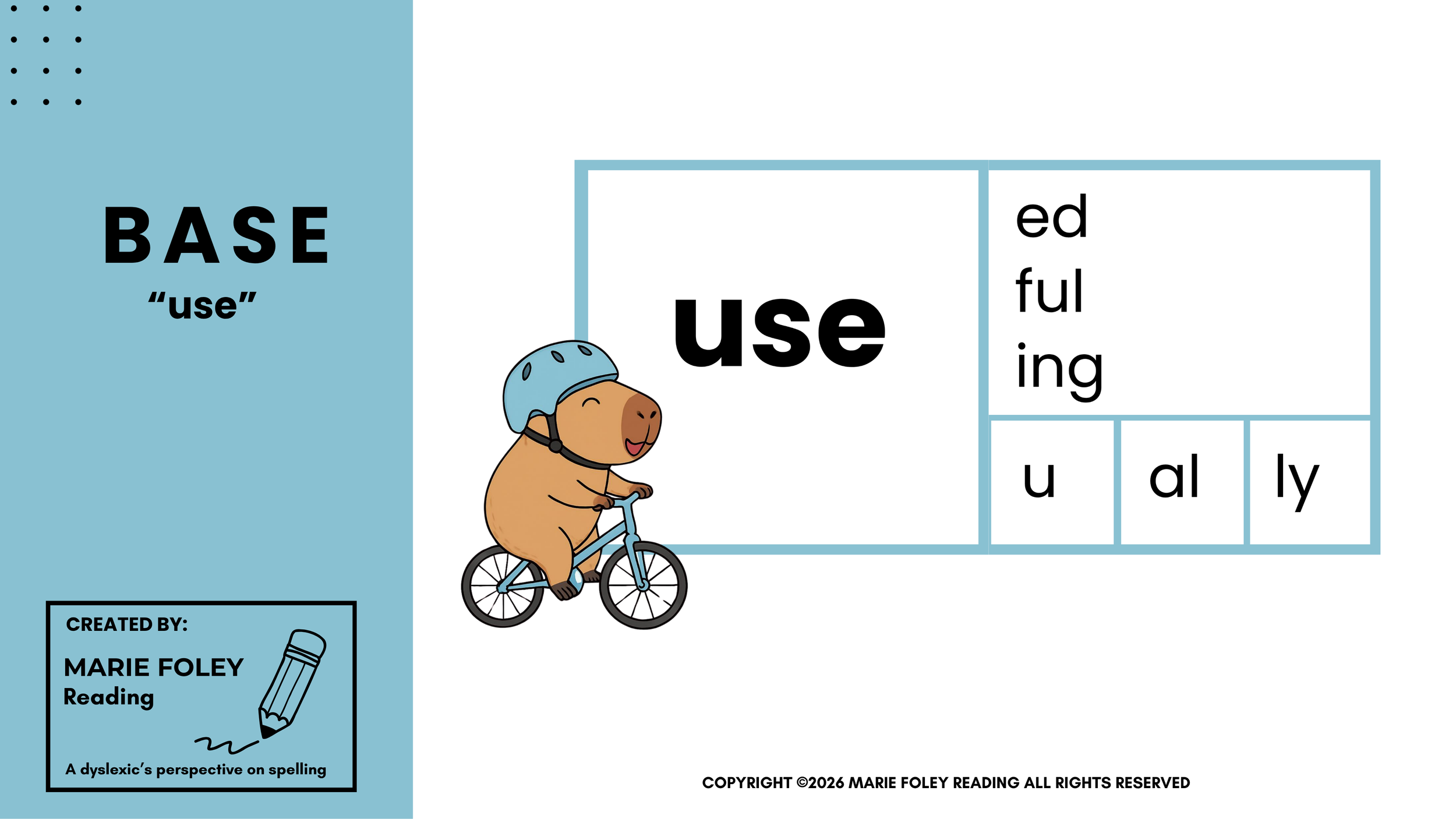
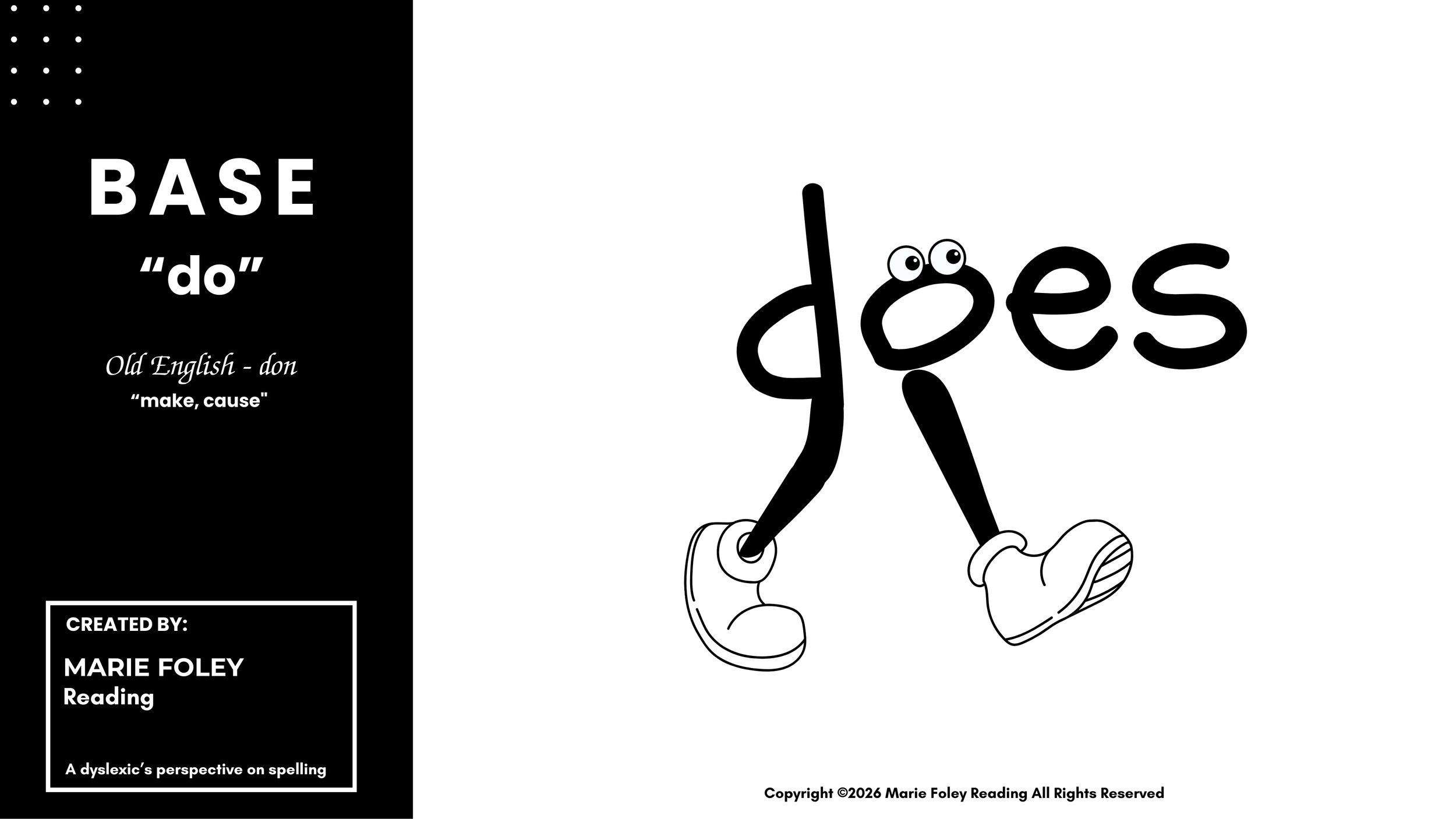
Word Family: do, does, done, and doing.
Concepts: This video is a fun narrative about the word “do” setting out on a journey to find its family members. Students will learn how how the pronunciation of a base in a word can shift across a family. The video also highlights how the shared spelling between words in a family helps us notice the connection in meaning.
Make Sense of High Frequency Words:
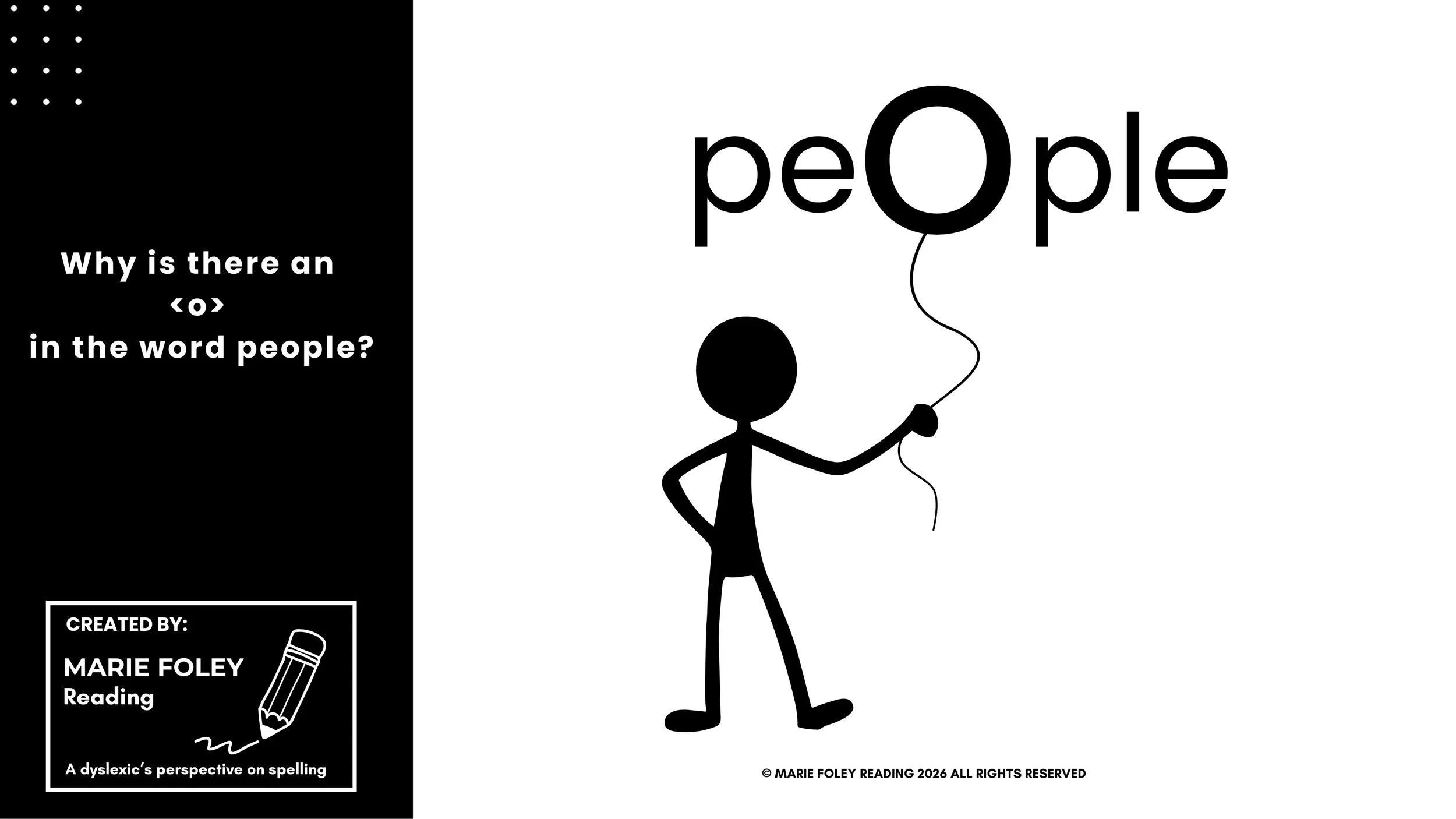
Help students make sense of the <o> in people by having them notice the spelling and meaning connection between the related words popular and people.

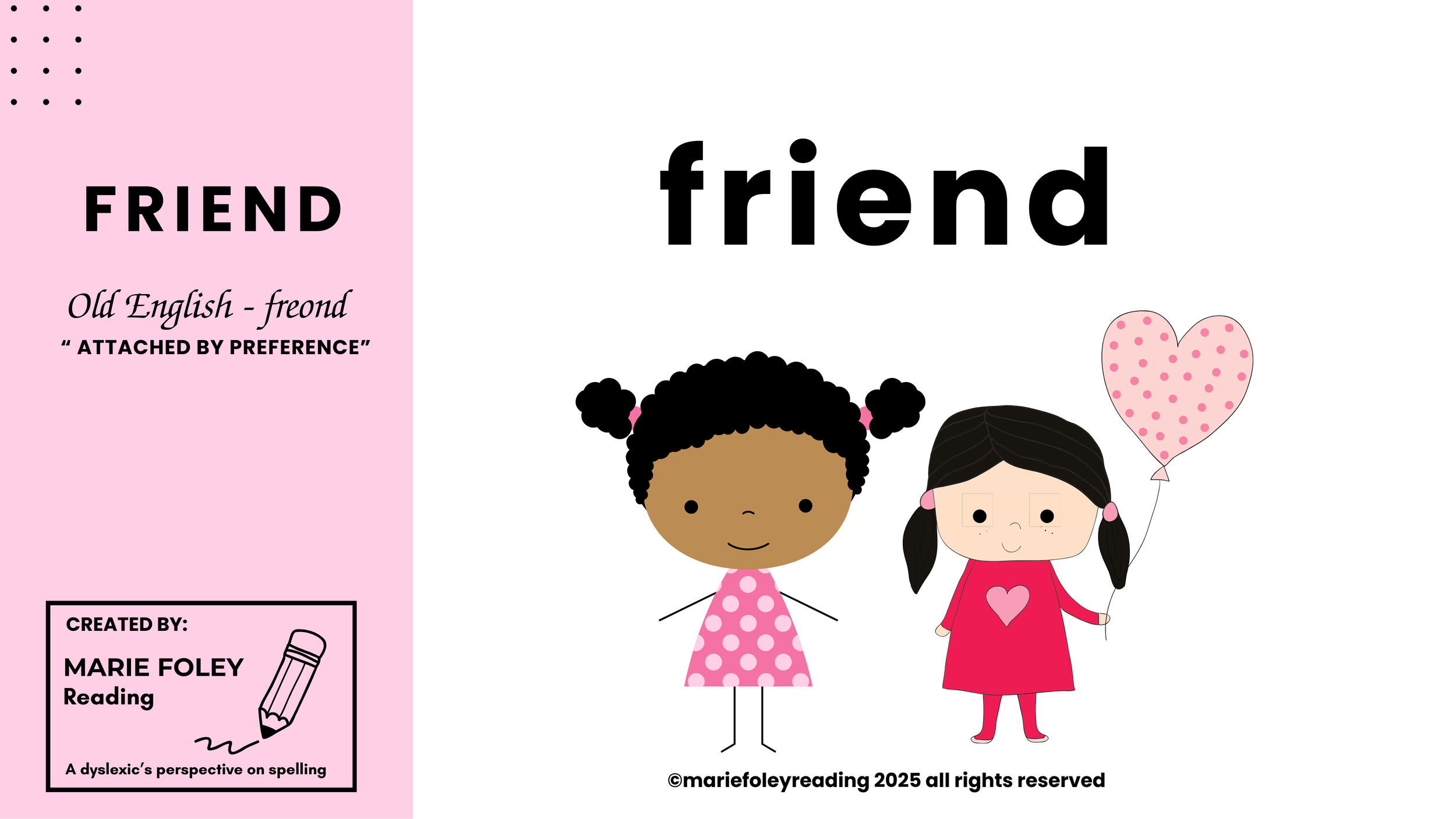
Word Family: friend, friends, friendly, friendliest.
Concepts: Notice how etymology can help students make sense of graphemes that are not writing a pronunciation. Explore how a single <y> grapheme can toggle to <i> when adding on suffixes unless the suffix begins with <i>.
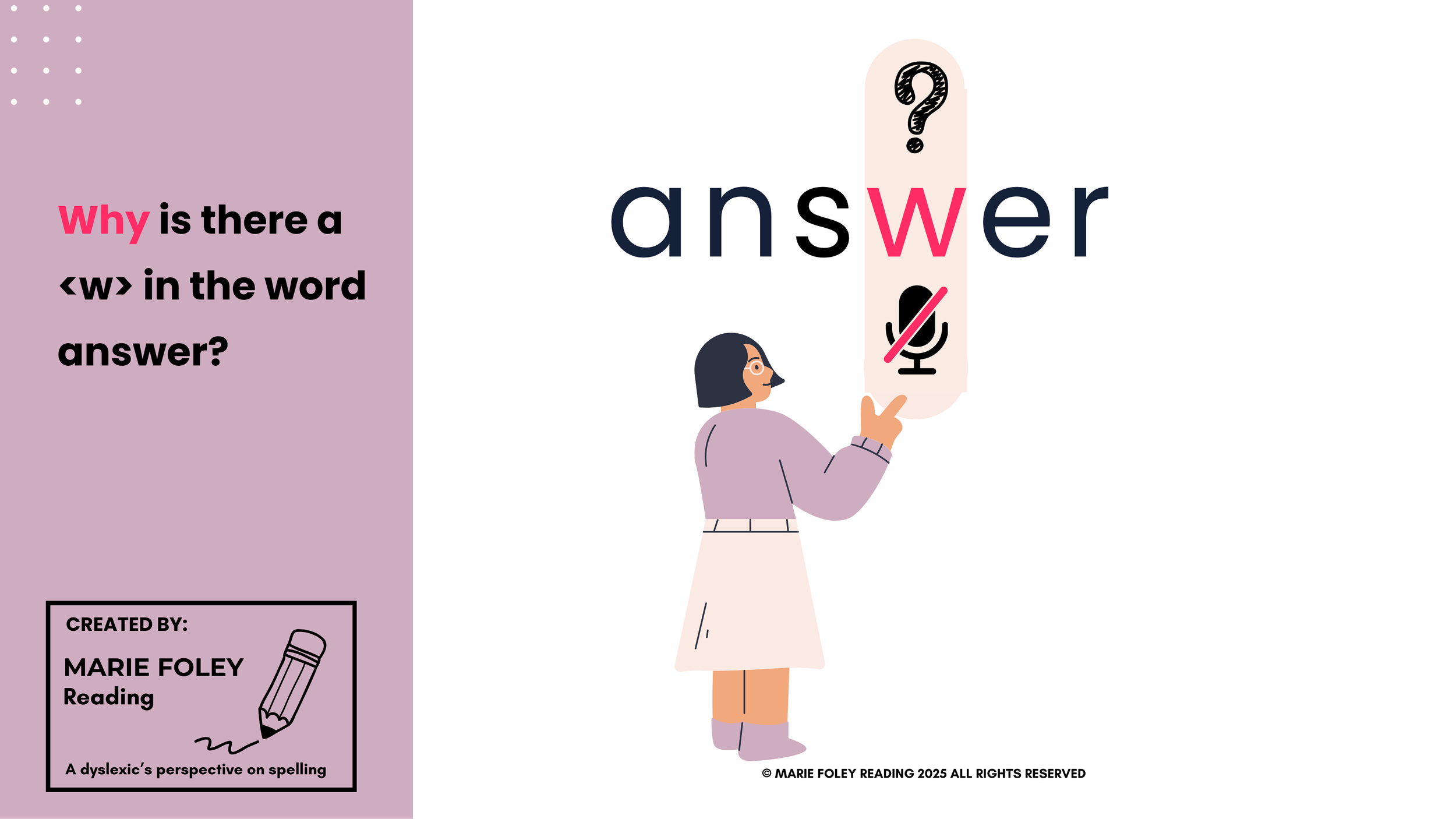
Concepts: Make sense of word which contain graphemes that are not writing a pronunciation by exploring related words. Notice words that share a meaning often share a spelling.
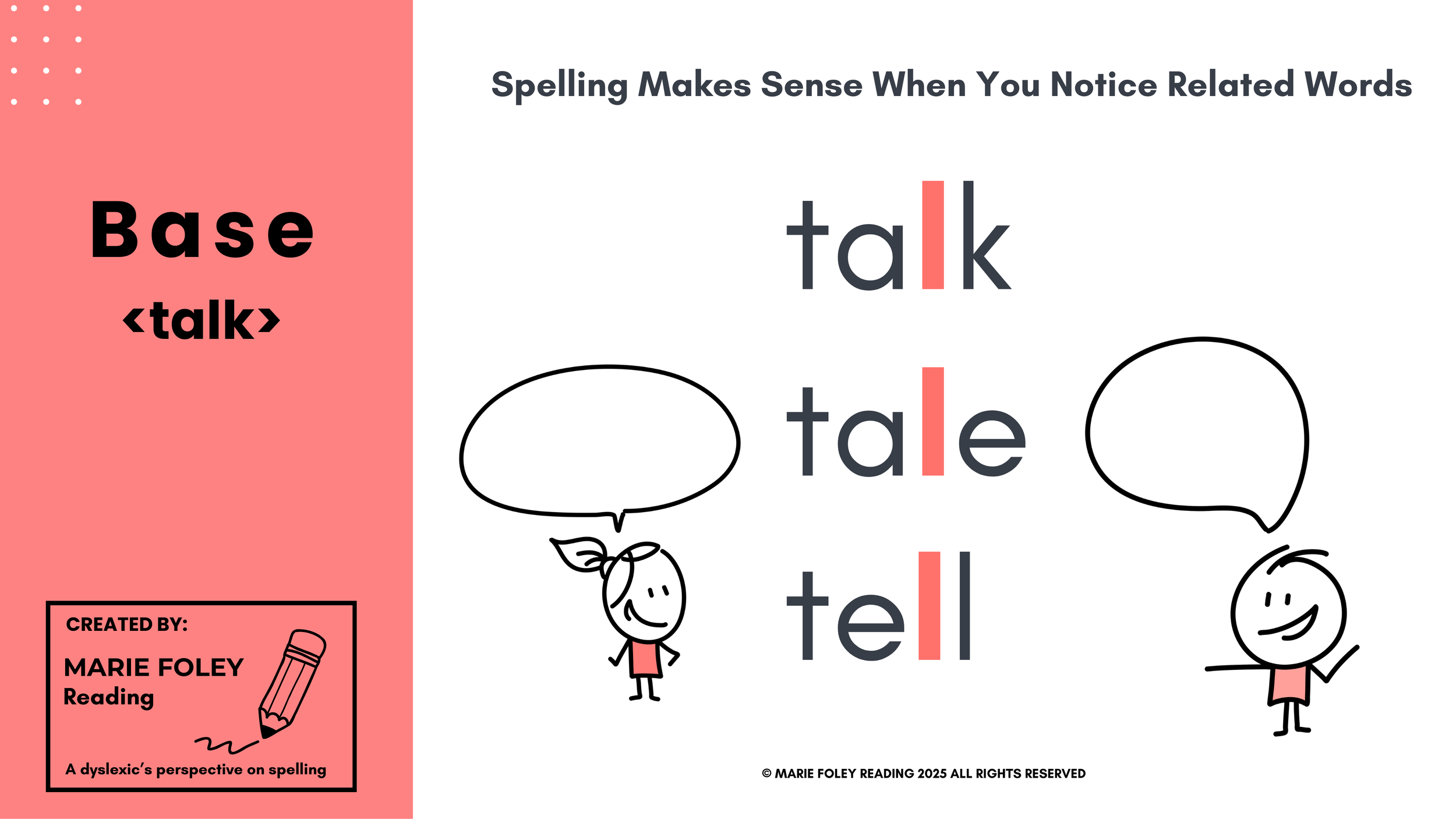
Concepts: Notice the unpronounced <l> in walk makes more sense when you examine related words. Explore how words that share a meaning often share a spelling.
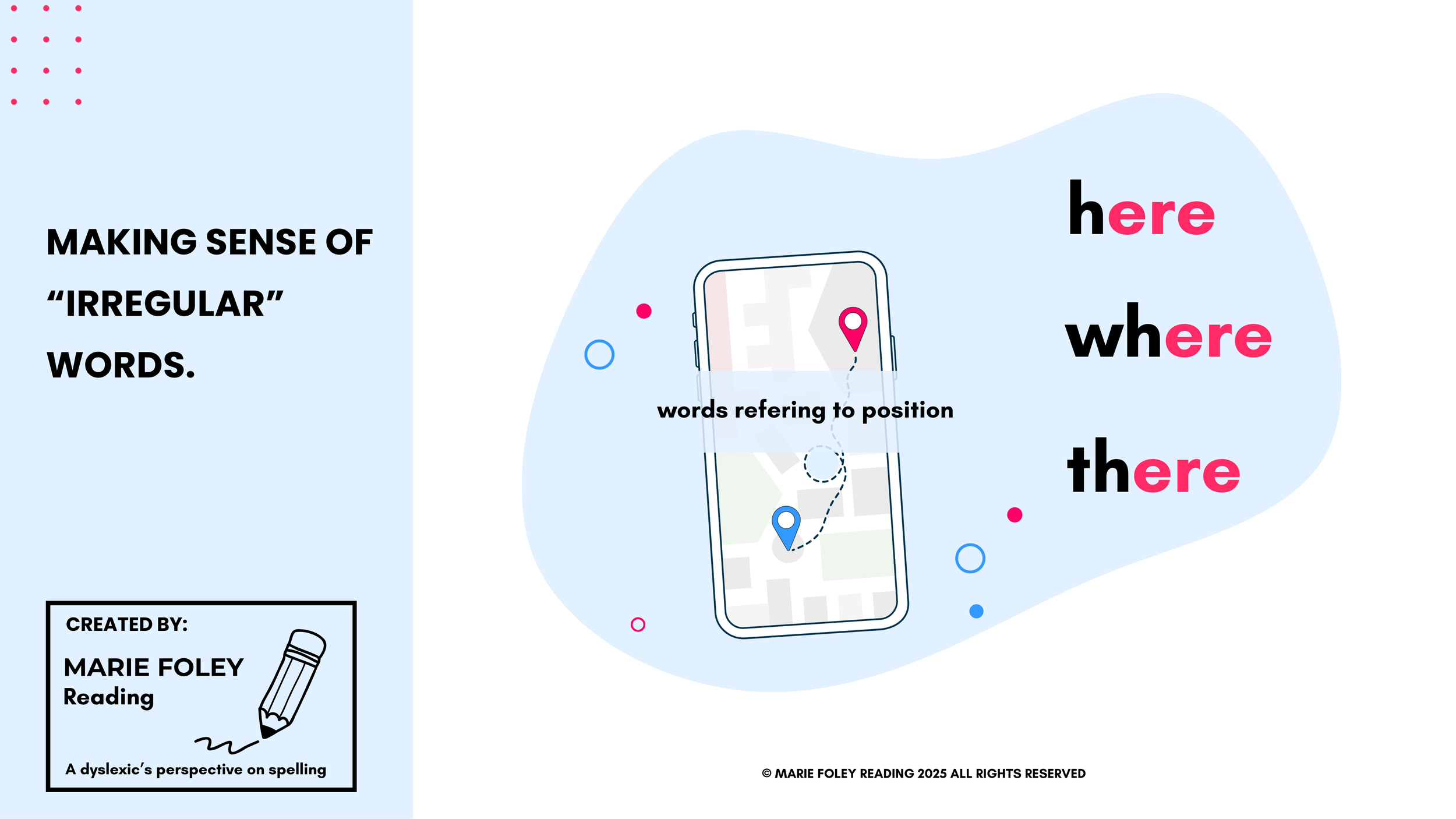
Concepts: This video explores the spelling and meaning connection between the words here, where and there which all are related to the concept of position.
Concept: The spelling of a word make more sense when you look at related words.
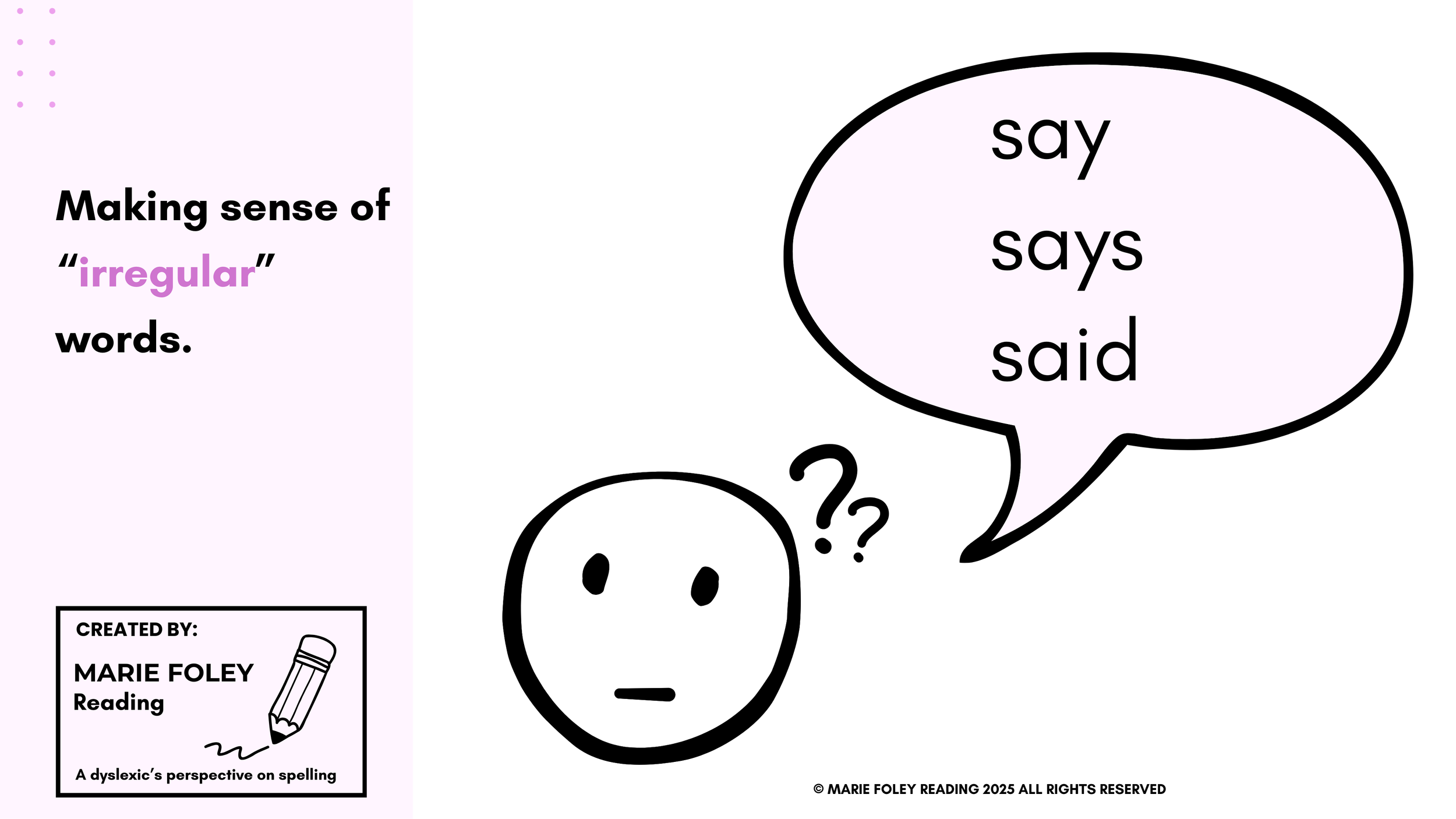
Graphemes: The positional uses of <ay> word final and <ai> at the beginning and middle of a base.
Concepts: The spelling of a word makes more sense when you explore related words. Discover how some graphemes have positional constraints (beginning, middle, end).
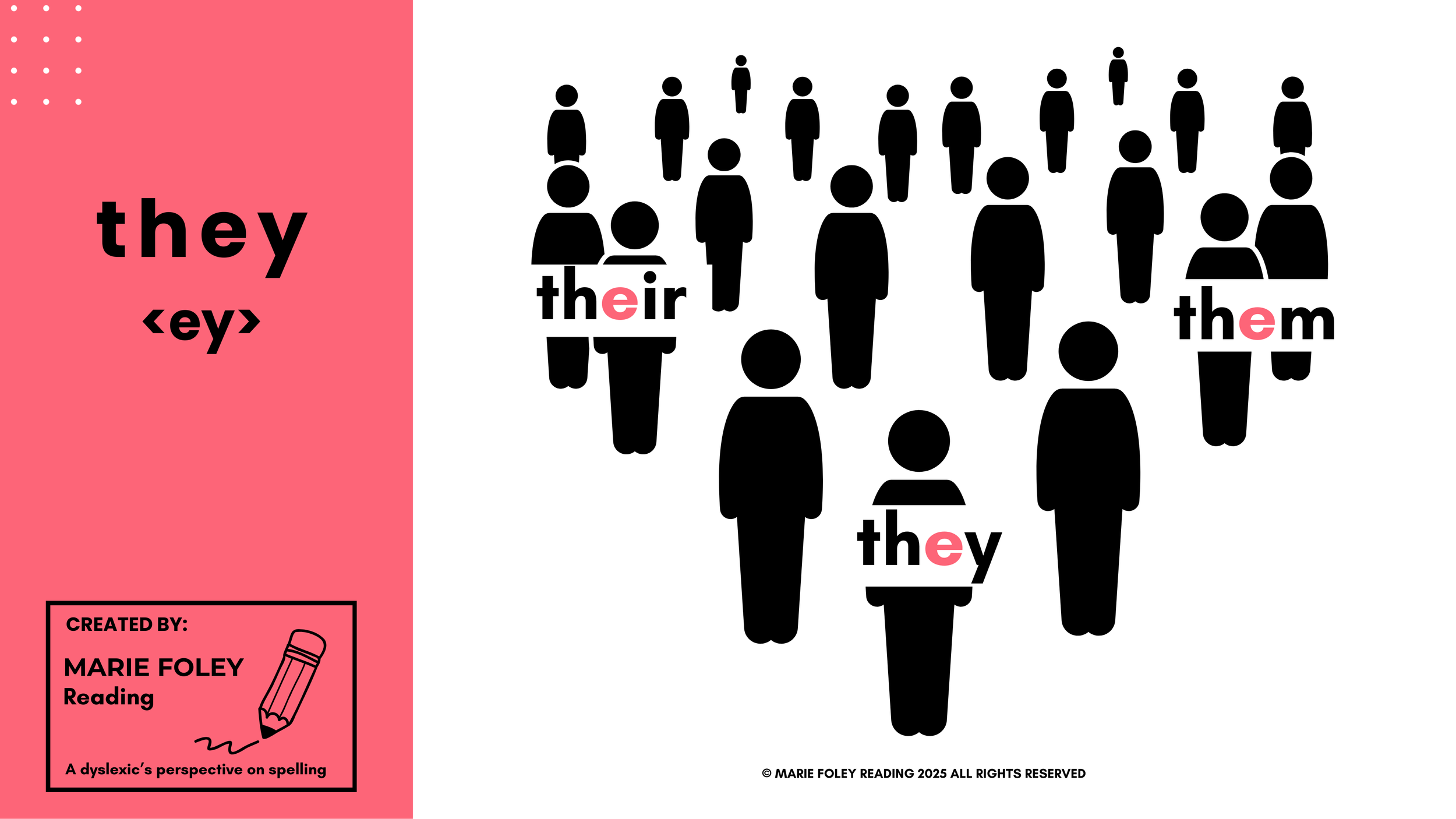
Graphemes: Notice how <ey> is the best fit for the spelling of they as it marks a connection to the <e> in them and their.